Looking for a mountain home you can lock, leave, and actually relax about? If you are weighing Aspen against Snowmass, you are not alone. Both offer big mountain lifestyle with different day-to-day experiences for second-home owners. In this guide, you will learn how each area handles services, HOAs, rentals, storage, and access so you can choose the simplest path to turnkey ownership. Let’s dive in.
Quick take: Aspen vs. Snowmass
- Building services: Aspen mixes historic charm and luxury residences with select full-service buildings. Snowmass leans toward resort-style condos with on-site staff, concierge, and guest services that simplify ownership.
- Parking and storage: Aspen varies by building and neighborhood. Snowmass properties frequently include indoor parking and purpose-built ski lockers that streamline gear management.
- HOA and reserves: Both markets have strong HOAs in newer or professionally managed buildings. Always verify what dues include, reserve funding, and upcoming projects before you buy.
- Rental optionality: Rules differ by municipality and by association. Snowmass often pairs permissive resort frameworks with integrated management. Aspen has top-tier options too, but association policies can vary widely.
- Access and logistics: Both are close to the same mountain network and regional airport options. Snow removal and transit are reliable across this resort corridor, which supports drop-in visits and guest turnover.
What “lock-and-leave” really looks like
Full-service condos and residence hotels
If you want the lowest-friction lifestyle, look for buildings with on-site concierge, housekeeping partnerships, and maintenance staff. These properties handle the details so you can arrive to a clean, warmed, and stocked unit. Snowmass offers a deep bench of resort-oriented buildings with these services. Aspen has excellent full-service options too, alongside smaller associations that may require more owner coordination.
Multi-bedroom condos and lock-offs
Larger condos often deliver flexibility for guests or rentals, especially when a lock-off is included. More space means more interior upkeep between visits. In buildings with front desks and vendor networks, that extra work is manageable. In smaller associations, you may rely on third-party property managers.
Townhomes and single-family homes
Expect more hands-on maintenance for stand-alone or low-amenity properties. Winterization, mechanical checks, and vendor scheduling are part of the plan. A local house manager can make these homes viable for lock-and-leave, but effort and cost tend to be higher than full-service condos.
Fractional ownership and private residence clubs
Fractional models bundle services, scheduling, and maintenance into one program. You trade unlimited use for predictability and reduced responsibility. This is a strong option if you want a truly effortless stay pattern and do not need full-time access.
Building services that reduce friction
- On-site management and concierge. Look for 24/7 or extended hours, package handling, pre-arrival setup, and guest coordination.
- Maintenance and engineering. In-house teams or dedicated vendor relationships help resolve issues fast during winter.
- Security and access control. Keycards, monitored entry, and camera systems protect your home while you are away.
- Housekeeping and linen service. Regular cleaning schedules and turn services make short stays easy.
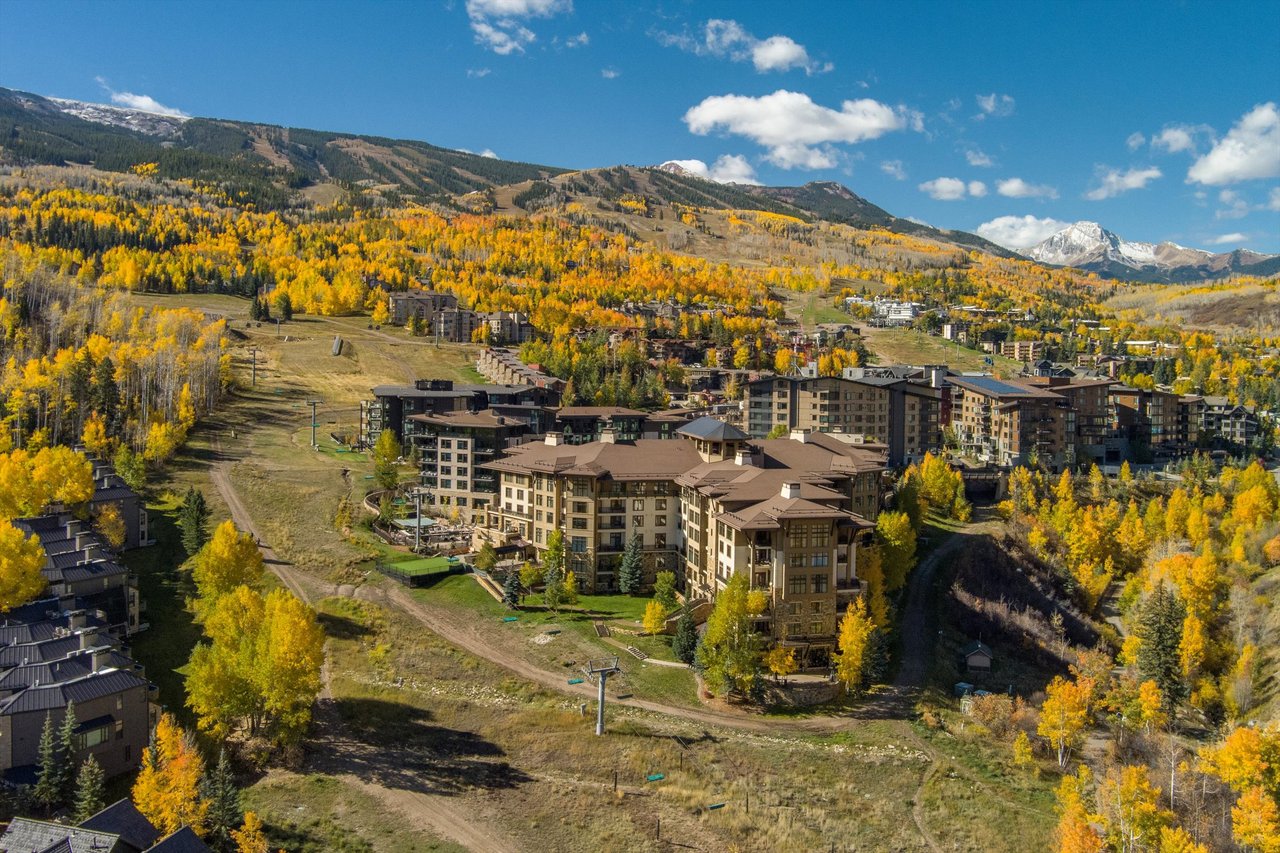
In Snowmass, many developments are designed for resort turnover, which often means concierge, valet, ski services, and housekeeping are already in place. In Aspen, you will find both ultra-luxury full-service buildings and smaller associations that may rely on third-party providers. Match the building’s staffing level to your tolerance for coordination.
Parking, storage, and gear management
- Parking. Deeded indoor or underground spaces are ideal for winter. Valet or assigned stalls reduce hassle on arrival days.
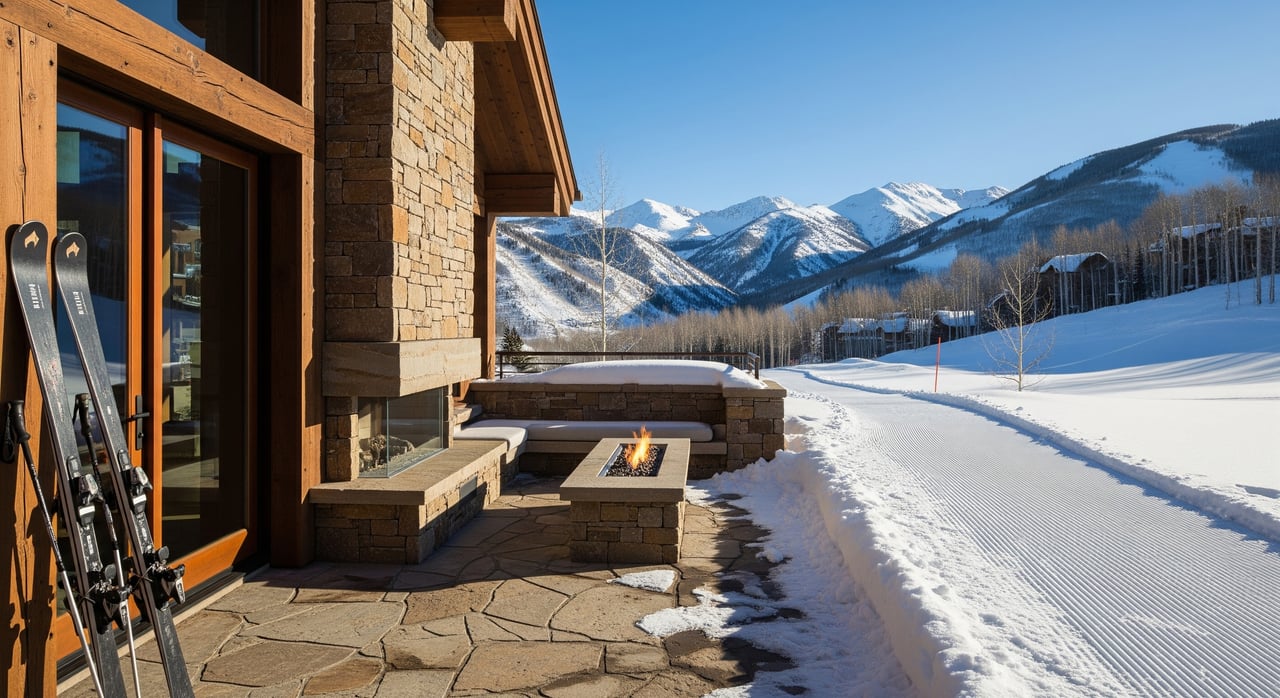
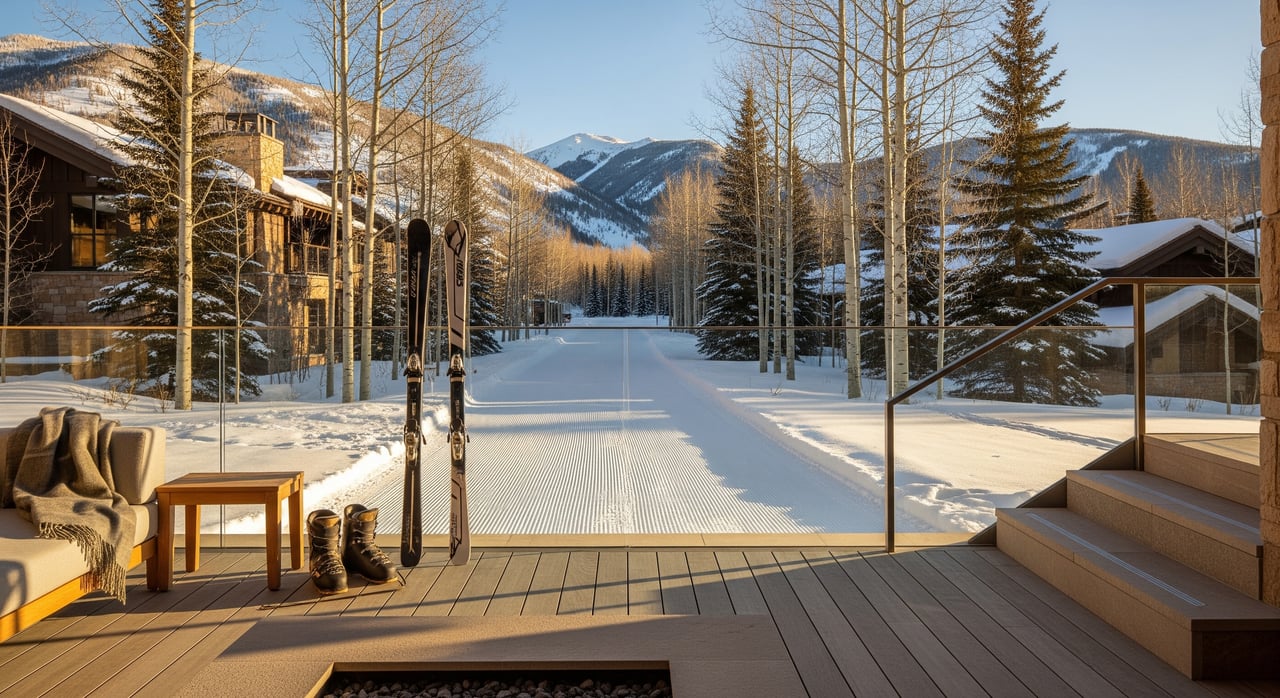
- Ski and gear storage. Private ski lockers, boot dryers, and mudrooms keep your unit clean and make quick exits possible.
- Seasonal storage. If you keep bikes, paddle boards, or golf gear in-town, confirm long-term storage options on site.
Snowmass buildings often highlight ski lockers and gear rooms. In Aspen, amenities vary by building and even by stack, so verify the specific unit’s allocations and storage locations.
HOA scope, dues, and reserves
A healthy association is essential for a stress-free experience. Evaluate:
- Inclusions. Snow removal, exterior maintenance, common area utilities, trash, and sometimes shuttle or basic cable/internet.
- Reserves and capital plans. Review the latest reserve study and funding level. Low reserves can mean future special assessments.
- Rules and responsibilities. Confirm who manages winterization, leak detection, and in-unit monitoring during vacant periods.
- Meeting minutes. Look for upcoming projects, elevator or roof timelines, and vendor contracts.
Request the CC&Rs, bylaws, current budget, and recent minutes. Two condos in the same neighborhood can deliver very different experiences depending on HOA health and staffing.
Rental optionality and local regulation
If you plan to rent when you are not using the home, you will want alignment across three layers:
- Municipal rules. Confirm licensing or registration requirements, any caps, and tax obligations for the City of Aspen, Town of Snowmass Village, or Pitkin County depending on location.
- Association policies. Some buildings allow short-term rentals, others restrict or prohibit them. Minimum stays and rental windows can apply.
- Management model. In-house programs or established third-party managers simplify guest services, turnovers, and compliance.
Rules can change. Verify current regulations, fees, renewal schedules, and enforcement practices before you close.
Insurance, winterization, and monitoring
To protect a home that sits vacant for stretches, plan for:
- Insurance that fits usage. Ask about vacant home endorsements, freeze and water damage coverage, and any short-term rental implications.
- Remote monitoring. Smart thermostats, water sensors and shutoff valves, and system alerts reduce risk during cold snaps.
- Seasonal services. Clarify who handles seasonal start-up and shut-down, water line draining, and mechanical checks.
- Emergency response. Buildings with centralized systems and on-site staff reduce response times for issues like burst pipes or HVAC failures.
Transportation and access
Lock-and-leave living works best when it is easy to arrive, depart, and get around without a car. Across Aspen and Snowmass, you will find reliable resort-area snow removal, established shuttle systems, and access to regional air service. In Snowmass, many buildings run on-demand or scheduled shuttles. In Aspen, walkability in core locations can be a major advantage.
Buyer checklist: evaluate any listing quickly
Use this quick filter to separate effortless from effort-heavy options:
- On-site services. 24/7 front desk, concierge, valet, and in-house engineer.
- Parking and storage. Deeded indoor parking, private ski locker, and bike or long-term storage.
- HOA inclusions. Snow removal, exterior maintenance, trash, and building utilities in dues.
- Reserves. Recent reserve study with strong funding; no pending large special assessments.
- STR status. Confirm municipal eligibility and HOA rental rules, including minimum stays and windows.
- Monitoring. Installed water sensors and remote thermostats, with building oversight if possible.
- Vendor network. Reliable property management and housekeeping partners with clear service agreements.
- Insurance fit. Coverage tailored to vacancy and any rental activity.
- Winterization plan. Defined start/stop services and emergency procedures.
- Access. Consistent shuttle options and straightforward arrival from regional airports.
So, Aspen or Snowmass for easiest lock-and-leave?
If you want integrated services and newer, resort-focused amenities, Snowmass often provides the most turnkey experience, especially in buildings designed for second-home use and guest turnover. If you prioritize Aspen’s prestige and walkable core, target full-service buildings with strong staffing and reserves. In the end, building-level services and HOA health matter more than the town name on the address.
Get a tailored short list
Tell us your must-haves and we will curate properties that fit your lifestyle, services, and rental goals. Whether you want ski-in access, full-service staffing, or a specific HOA profile, we can narrow the field quickly and transparently. Reach out to Andrew Albee for a curated search and side-by-side comparison of the best lock-and-leave options in Aspen and Snowmass.
FAQs
What does “lock-and-leave” mean in Aspen and Snowmass?
- It refers to properties with services and systems that let you arrive, enjoy, and depart with minimal maintenance, relying on on-site staff or trusted vendors while you are away.
Which has more full-service condo options: Aspen or Snowmass?
- Snowmass generally offers a higher share of resort-oriented condos with integrated services, while Aspen combines full-service luxury buildings with smaller associations.
Can I rent my second home when I am not using it in either town?
- Often yes, but you must confirm municipal licensing or registration and your building’s rental rules, including any minimum stays or seasonal limits.
What HOA documents should I review before buying a condo?
- Request CC&Rs, bylaws, the latest reserve study and budget, recent meeting minutes, and any vendor contracts for housekeeping, engineering, or shuttles.
How do I reduce risk when my mountain home sits vacant in winter?
- Use remote thermostats and water sensors, verify freeze and water coverage with your insurer, and set up seasonal start/stop services with a reliable property manager.