Is “ski-in/ski-out” a few steps across a plaza or your door opening straight onto the snow? In Snowmass Village, those details make a big difference in your daily routine and your property’s value. If you are comparing condos and townhomes across Base Village, Fanny Hill, and nearby pockets, understanding what truly counts will help you buy with confidence. This guide breaks down the local definitions, how the mountain layout affects access, what to verify in a listing, and what it means for pricing and rentals. Let’s dive in.
Define ski-in/ski-out in Snowmass
There is no single legal standard for “ski-in/ski-out,” so use a simple three-tier system when you compare properties.
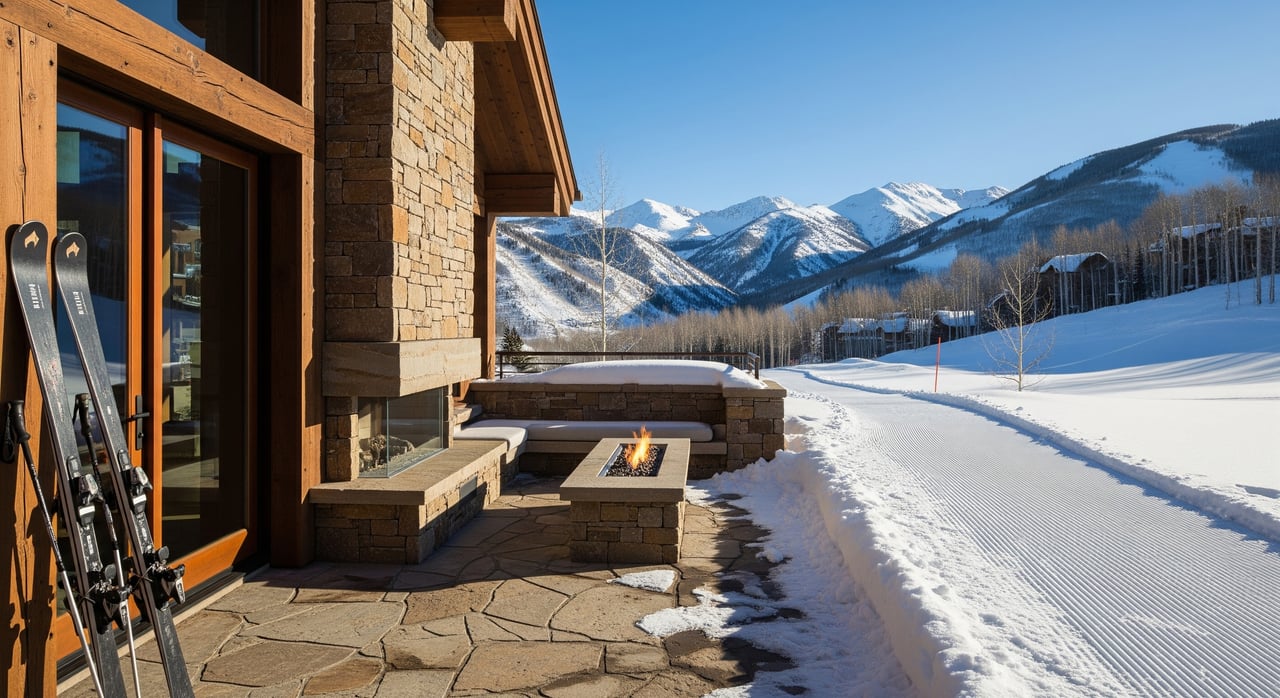
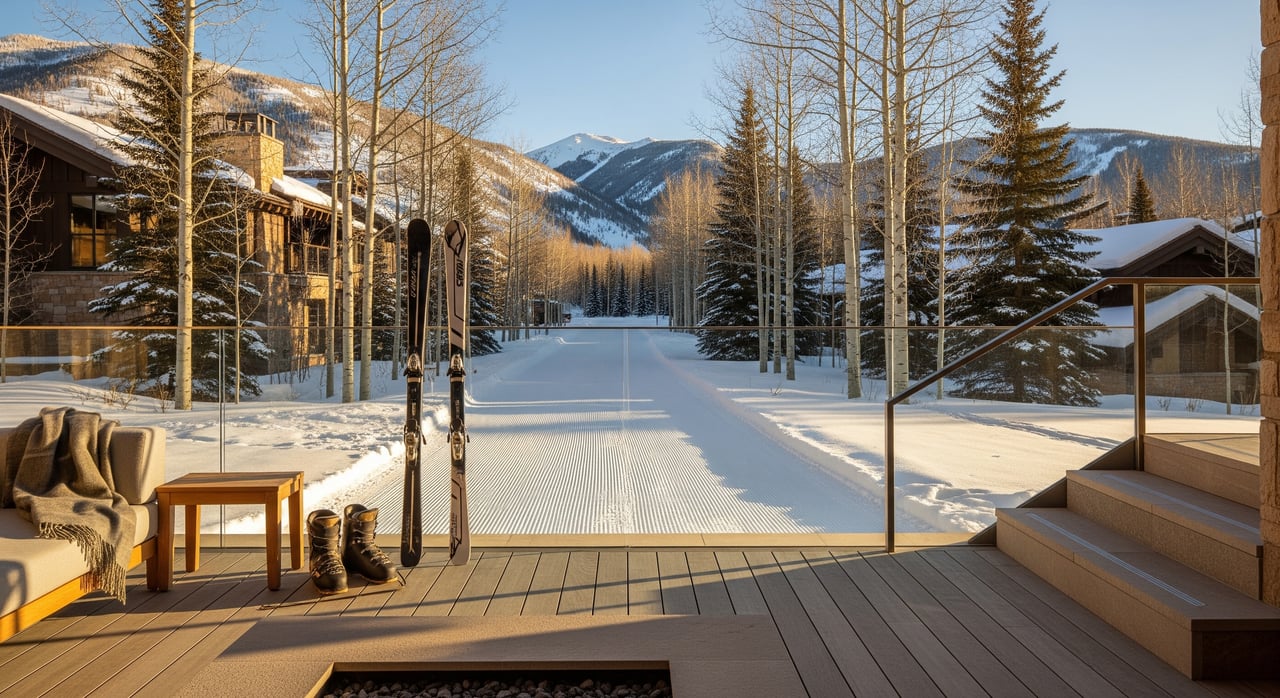
- True ski-in/ski-out: Your building or unit door opens directly to a groomed run, skiway, or traversable ski trail. You can clip in at the door and ski to a lift or downhill without a long walk, road crossing, or unpaved surface.
- Ski-access: You reach a groomed run or lift with a short on-ski traverse or a brief walk, typically under about 200 yards. You might remove skis to cross a paved plaza or corridor.
- Shuttle-access: You do not have skiable connectivity from the property. You rely on Snowmass Village shuttles or regional transit to reach the lifts.
Edge cases do exist. Private skiways and easements can create direct access across non-public parcels, and early or late season operations can change how a property functions. That is why verification matters.
Snowmass mountain layout basics
Snowmass Mountain’s lift mouths, groomed runs, and learning areas shape what “in/out” means on the ground.
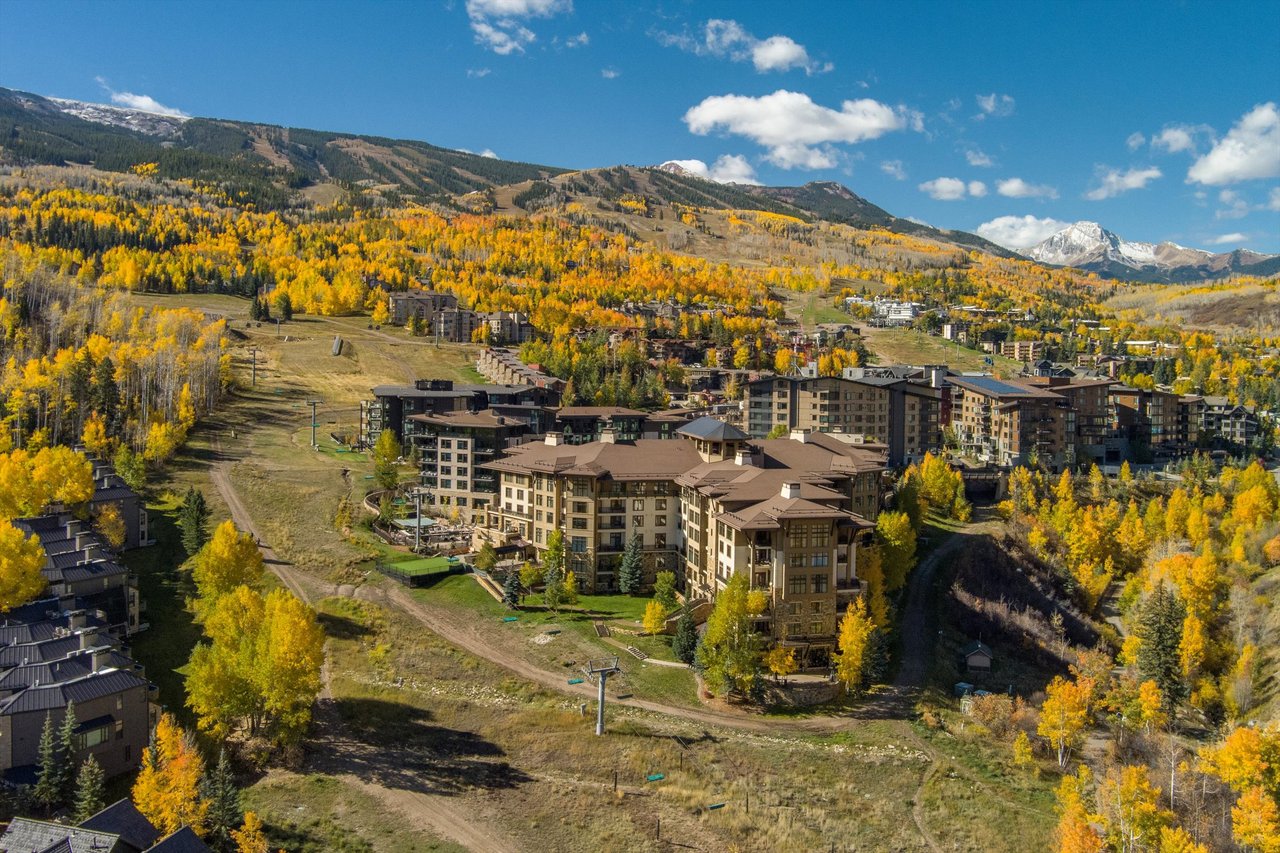
- Base Village core: Lifts, groomed corridors, and pedestrian plazas are concentrated here. You find the highest number of truly adjacent residences, along with units that are close but require a plaza crossing.
- Fanny Hill and learning terrain: Lower-angle runs are convenient for newer skiers. Some homes sit close to these areas, though you may connect to higher mountain terrain via nearby lifts.
- Adjacent pockets: Set-back neighborhoods often trade immediate ski access for privacy and space. Many rely on the village shuttle or short walks to the lifts.
Base Village examples
Base Village offers the strongest chance for true door-to-slope adjacency, but details vary by building and even by unit.
- What counts as true here: Ground-level doors that open onto a groomed skiway or slope, or a private corridor designed and maintained for skiing.
- Common “ski-access” setups: Units across a short pedestrian plaza where you briefly remove skis to cross. Upper floors that require an elevator plus an exterior walk to reach snow.
- What to watch: Any road or long plaza between your door and groomed terrain typically moves a property out of the “true” category.
Fanny Hill access
Fanny Hill’s gentler grades and proximity to learning areas can be ideal if you want easy starts to your day.
- What to expect: Quick access to beginner terrain from some condos and townhomes. That can feel like true “in” for learners, even if you connect to other lifts to reach steeper runs.
- How to classify: Note whether you step directly onto a groomed area or take a short traverse or plaza crossing first. The difference affects convenience and rentals.
Adjacent pockets nearby
Set-back neighborhoods and private enclaves around Snowmass deliver quiet settings and larger residences.
- Common reality: Most are shuttle-access or short-walk access, not true in/out. A few may have seasonal skiways, but these require confirmation.
- Tradeoffs: You may gain space and privacy, while giving up instant lift proximity.
Verify any listing’s access
Before you accept a marketing claim, confirm both the physical route and the legal right to use it.
- Confirm physical adjacency: Compare the official trail and lift map to the building footprint. On a winter visit, time the route from the unit door to the nearest groomed run or lift and note any paved crossings or stairs.
- Document legal access: Request recorded easements, covenants, or HOA documents that show rights to cross private land or use a designated skiway. Ask for site plans that show ski doors and maintained corridors.
- Check seasonal operations: Ask about grooming schedules, snowmaking in the access corridor, and early or late season changes that could interrupt skiability.
- Assess convenience features: Look for ski lockers, boot rooms, heated walkways, and safe, cleared crossings if a plaza is involved.
- Review rental rules: Confirm HOA and local short-term rental regulations, since true in/out often sees higher demand and may have stricter rules or higher fees.
- Shuttle backup: If the home edges toward “ski-access,” verify shuttle stop proximity and frequency.
Pricing and rental impacts
True ski-in/ski-out properties in Snowmass typically command a meaningful premium over non-adjacent homes. The size of that premium depends on supply, building amenities, and rental rules, so it is best to compare recent local sales. In many buildings with direct access, HOA fees can be higher due to snow management, skiway maintenance, and on-site services. For resale, Base Village proximity and genuine in/out often improve demand and liquidity with second-home buyers and investors.
Match access to your lifestyle
If you have newer skiers in your group, being near Fanny Hill’s learning terrain can simplify your day. If you prioritize fast laps and higher-elevation terrain, aim for direct routes to major lifts. Consider prep and cleanup areas like mudrooms and boot storage, plus parking and guest turnover if you plan to host friends or run short-term rentals where allowed.
Seasonal and operational changes
In early or late season, snowmaking and grooming priorities can shift. A corridor that skis easily in peak season may require a short walk at the margins. Lift schedules, trail reroutes, and safety operations can also change daily access. Build in a margin for these variables as you evaluate convenience and rental expectations.
How we help you compare
A clear classification and a verified route save you time and money. You get practical guidance on unit-level differences, access rights, seasonal operations, and building services, plus a curated look at comparable sales and rental potential where permitted. If you want a tailored search that fits how you ski, relax, and host, we are here to help.
Ready to find your fit in Snowmass Village? Connect with Andrew Albee for a curated, data-driven search and on-the-ground insight.
FAQs
What qualifies as true ski-in/ski-out in Snowmass?
- A unit or building door opens directly to a groomed run or skiway, letting you clip in at the door and ski to a lift without a long walk or road crossing.
How do I verify a “ski-access” listing near Fanny Hill?
- Time the door-to-snow route in winter, note any plaza or stair crossings, and request HOA site plans and recorded easements for any private skiways.
Does a Base Village address guarantee in/out?
- No. Base Village has the most true in/out options, but some units still require a short plaza crossing or exterior walk, which is ski-access rather than true in/out.
Are shuttle-access homes a deal-breaker for rentals?
- Not necessarily. Shuttle convenience, frequency, and proximity to stops matter; true in/out can drive higher demand, but rules and amenities also influence performance.
What documents prove legal ski access for a condo?
- Look for recorded easements, HOA CC&Rs, and site plans that show ski doors and designated, maintained skiways across any private property.
How can early season affect a ski-in home’s usability?
- If snowmaking or grooming is limited in the access corridor, you might walk part of the route until coverage improves, even if the home is true in/out mid-season.